
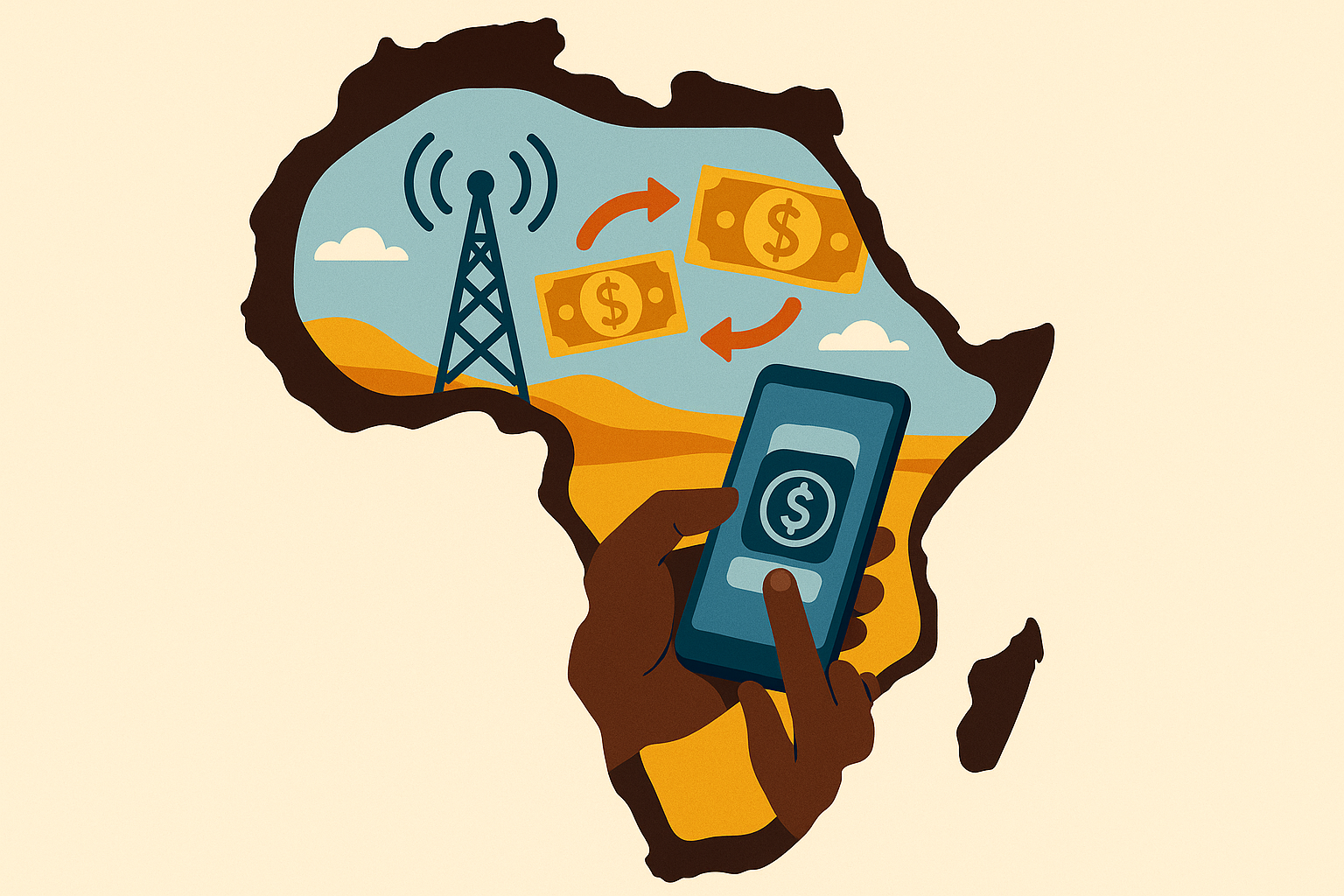

What Does “Digital Payments” Really Mean for Everyday Life in Africa?
For many people, the term digital payments sounds technical, distant, or reserved for banks, fintech companies, and people working in offices. Yet across Africa, digital payments are already deeply woven into everyday life, often without being recognised as such.
From sending money to a family member, to buying electricity on a phone, to paying for groceries with a card, digital payments quietly power millions of daily transactions. Understanding what they are and why they matter, is an important step toward participating confidently in the modern economy.
Digital payments, simply explained
At its most basic level, a digital payment is any transaction where money moves electronically rather than physically as cash.
- Paying with a debit or credit card
- Sending or receiving money through a mobile phone
- Paying bills or school fees electronically
- Buying airtime, data, or electricity digitally
- Scanning a QR code to pay for goods or services
No matter the method, the common feature is that money is transferred securely through digital systems instead of being handed over in notes and coins.
Where digital payments already show up in daily life
For many Africans, digital payments are not new, they are simply not always labelled. They are part of daily routines, used quietly and practically in homes, shops, markets, and businesses.
- A parent sending money to a child using mobile money
- A small shop owner accepting card payments
- A commuter tapping a card or phone to pay for transport
- A household buying prepaid electricity digitally
- A trader receiving payment via a QR code
These everyday interactions highlight an important truth: digital payments are not about technology for its own sake. They are about making everyday transactions easier, faster, and safer.
Why digital payments matter beyond convenience
While convenience is one of the most visible benefits of digital payments, their impact goes much deeper. Used well, digital payments can improve safety, provide greater control over money, and open doors to future opportunities.
1. Improved safety
Carrying and handling cash increases the risk of theft and loss. Digital payments reduce the need to keep large amounts of cash on hand, improving personal safety and reducing risk for both individuals and businesses.
2. Better control and visibility
Digital transactions create records. These records help individuals and businesses track spending and income, understand cash flow, and plan more effectively. For many people, this visibility is the first step toward better financial management.
3. Access to future opportunities
Consistent digital payment usage can help build a financial footprint. Over time, this can open doors to savings products, credit opportunities, insurance, and formal business support. Digital payments often serve as the gateway into the wider financial system.
Digital payments and small businesses
For small businesses and informal traders, digital payments are increasingly becoming essential rather than optional. As customers become more familiar with digital tools, expectations around how payments can be made are changing.
Offering digital payment options allows small businesses to serve a wider range of customers, reduce delays caused by cash handling, and minimise disputes related to change or payment errors. It can also improve record keeping, making it easier to understand daily sales and manage cash flow.
Beyond efficiency, digital payments can enhance trust. Customers often associate digital payment options with professionalism and reliability. For many small traders, accepting digital payments is not about replacing cash entirely, but about expanding possibilities and operating more confidently in a changing economic environment.
The confidence gap: access is not enough
Across Africa, access to digital financial services has grown rapidly. Mobile money, cards, and electronic payment platforms are widely available. However, access on its own does not guarantee that people benefit fully from these tools.
- Use digital payment tools without fully understanding how they work
- Fear making mistakes or sending money incorrectly
- Worry about fraud, scams, or hidden fees
- Avoid certain services due to uncertainty or lack of confidence
This gap between access and understanding is where challenges emerge. Without clear knowledge and confidence, digital payment tools can feel risky rather than empowering, limiting their potential to support everyday life and economic participation.
Why education and awareness matter
Digital payments literacy helps people build knowledge, confidence, and trust. It equips individuals and businesses with practical understanding that makes digital tools easier to use and safer to rely on.
Digital payments literacy helps people:
- Understand how transactions work
- Recognise fees and charges
- Identify and avoid fraud
- Know where to seek help when something goes wrong
- Use digital tools more confidently and consistently
When people understand digital payments, they are more likely to use them safely, resolve problems faster, and benefit fully from the convenience and opportunities that digital financial services can offer.
Digital payments as part of everyday economic life
As economies become more digital, the ability to use electronic payment tools is increasingly becoming a basic life skill. Just as reading, writing, and numeracy enable people to participate fully in society, digital payments literacy is becoming essential for participation in modern economic life.
This does not mean that everyone must become a technical expert or understand complex financial systems. Rather, it means that people should have access to clear, practical knowledge that allows them to use digital payment tools safely, confidently, and on their own terms.
Looking ahead
Digital payments will continue to shape how people earn, spend, save, and grow. As digital tools become more deeply embedded in everyday life, ensuring that communities understand how to use them safely and confidently becomes increasingly important.
When people have the knowledge and confidence to engage with digital payments, these tools can support resilience, opportunity, and inclusion. Without that understanding, the benefits of the digital economy risk remaining out of reach for many.
This article introduces the foundations of digital payments literacy. In the articles that follow, we will explore how digital payments work behind the scenes, how to use them safely, how they support everyday needs, and what rights and responsibilities consumers and small businesses should understand.
Continue exploring digital payments literacy
This article is part of Tokata Foundation’s Digital Payments Literacy series, which aims to build practical understanding, confidence, and trust in everyday digital financial tools.
Explore the Digital Payments Literacy series